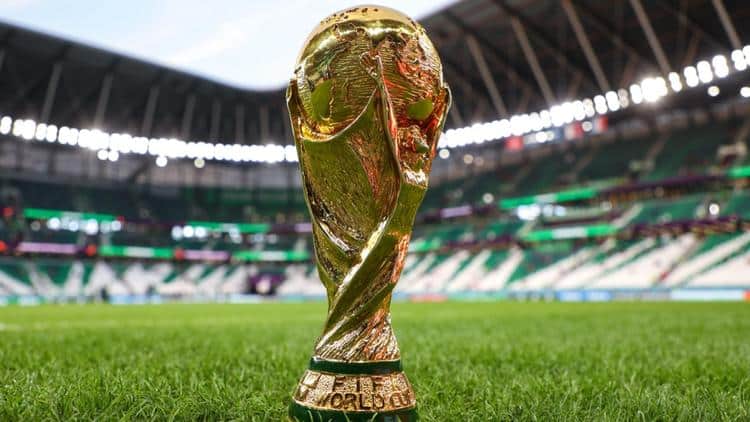
The Evolution of African Football on the World Stage
Over the decades, African national teams have transformed their participation in the FIFA World Cup from tentative appearances to impactful demonstrations of skill and determination. This journey has been characterized by both remarkable successes and moments of challenge, as the continent progressively carves out its unique narrative within international football's most prestigious tournament.
Early Forays and the Quest for Recognition
African nations first entered the World Cup in the 1930s and 1950s. During this period, only a handful of teams from the continent had the opportunity to compete. These initial participations, while limited in number and concrete results, laid the groundwork for a collective aspiration. African teams often found themselves in the role of underdogs, facing established European and South American powerhouses with significantly superior organizational structures and resources. It was not until the 1970s and 1980s that African football began to assert its presence on the global stage. The gradual increase in the number of World Cup slots allocated to African nations allowed for greater representation and the accumulation of invaluable experience, fostering growth and development within the continent's footballing landscape.
The Emergence of a Footballing Power
The 1990s marked a pivotal era for African football. Several national teams demonstrated their technical and tactical prowess, proving capable of competing with the world's elite. The performances of Cameroon, Nigeria, and Côte d'Ivoire particularly highlighted this ascension, with teams achieving surprising results and advancing beyond the initial stages of the competition. Observers of the game during this period often noted that "African football possesses a unique soul, intensity, and creativity." This distinctive characteristic increasingly became a significant asset on the international scene, distinguishing African teams and contributing to their growing reputation.
Defining Moments and Memorable Achievements
The journey of African teams at the World Cup is not merely about participation; it is about a progressive appropriation of the global stage, a gradual affirmation, and a collective determination to establish African football as a major force in the game.
Cameroon's advancement to the quarter-finals of the 1990 World Cup stands as a foundational moment. This achievement was not a matter of chance but the culmination of meticulous preparation and exemplary team cohesion. It broadened horizons and demonstrated that previously perceived insurmountable barriers could indeed be overcome. Senegal subsequently etched its own glorious chapter by reaching the quarter-finals in 2002, an accomplishment that ignited enthusiasm across the continent and underscored the irreversible nature of this progress. These successive victories served as inspiration for a new generation of African footballers, reinforcing the belief that international success was an attainable goal.
Consolidation and Growing Ambition
Over the past two decades, African participation in the World Cup has consistently improved in both quality and quantity. National teams from the continent have benefited from enhanced organization of continental championships, increased investments in youth development, and the growing professionalization of support structures. South Africa, Algeria, Morocco, and other nations have progressively joined a circle of teams capable of delivering compelling results. The increasing presence of African players in major European leagues has also played a crucial role in strengthening the technical and tactical foundations of their respective national teams, bringing invaluable experience and skill back to the continent.
Persistent Challenges and Future Prospects
Despite these undeniable advancements, African national teams continue to face structural obstacles. These include unequal access to financial resources, disparate training infrastructure, and intense competition from traditionally dominant continents. However, each World Cup presents a fresh opportunity for progress and to build upon previous achievements. Younger generations of African footballers are now growing up with the conviction that global excellence is a realistic objective rather than a distant dream. This transformed mindset represents perhaps the most enduring legacy of the past decades.
The story of African national teams at the World Cup is one of gradual engagement with the global stage, a steady assertion of identity, and a collective resolve to position African football among the sport's major powers. The forthcoming chapters of this evolving narrative promise a balance of both opportunities and challenges.
Source: Les sélections africaines au Mondial : du statut de challenger à celui de prétendant